Living In Green Bay: What Newcomers Should Know
February 5, 2026
February 5, 2026
Thinking about moving to Green Bay? You’re not alone. This compact, friendly metro anchors northeastern Wisconsin and offers a practical mix of jobs, affordable housing, and four true seasons. If you want quick facts on neighborhoods, schools, commuting, costs, and lifestyle, you’re in the right place. By the end, you’ll know what to expect day to day and how to narrow your home search with confidence. Let’s dive in.
Green Bay is the population and economic center of northeastern Wisconsin. The City of Green Bay counted 107,395 residents in the 2020 Census, and Brown County totaled about 268,000 people. You’ll find a regional hub for health care, logistics, manufacturing, higher education, and public services. That mix shapes local job options and weekday rhythms.
Major employers include healthcare systems, manufacturers and logistics firms, higher education, and the Green Bay Packers and Titletown complex. The metro is compact, so you can usually reach work, school, and errands within a short drive compared to larger cities. The overall feel is practical and community-focused.
Green Bay has a variety of neighborhoods plus close-in suburbs. Your fit comes down to housing type, commute, and the school district you prefer. Here’s a quick overview to help you plan tours.
Downtown, the Broadway District, and the Titletown area near Lambeau Field offer the most walkable streets. You’ll see more condos and apartments, restaurants and breweries, and easy access to riverfront trails. These areas work well if you prefer an urban lifestyle and short commutes to downtown jobs.
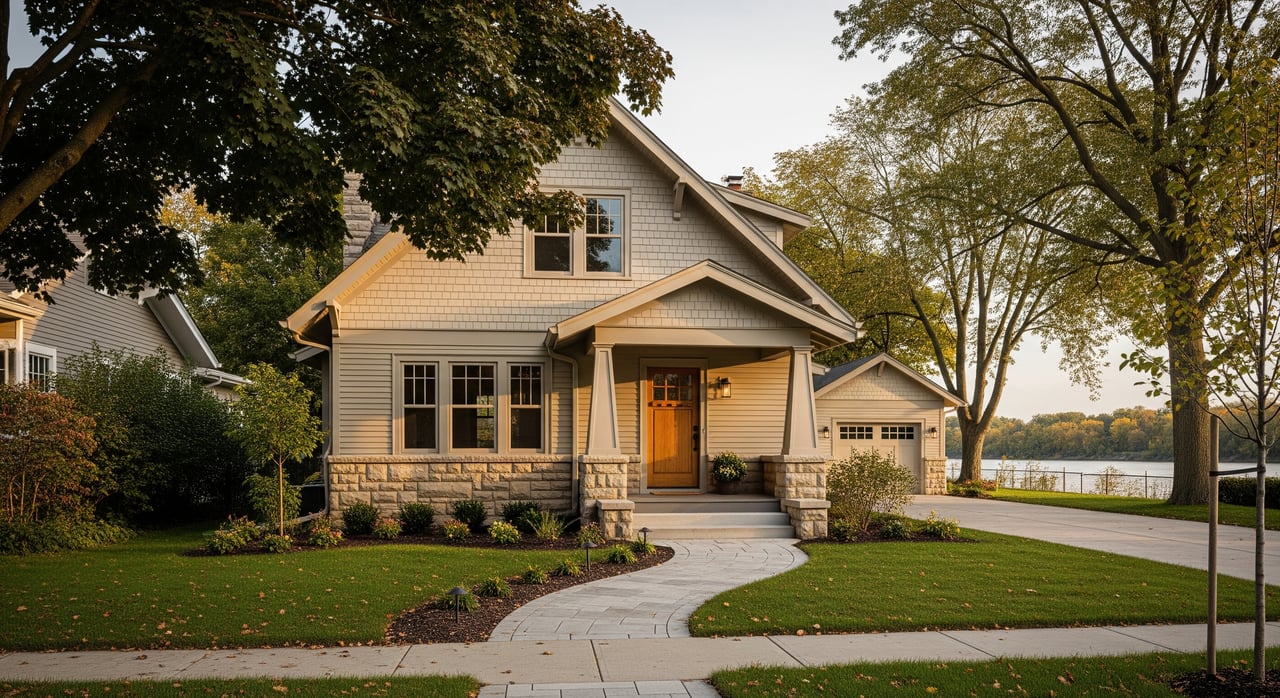
Astor, Fort Howard, and Riverside feature older single-family homes with classic architecture and tree-lined streets. These neighborhoods appeal if you want character and proximity to central Green Bay. Many blocks are established and offer quick access to parks, schools, and everyday services.
Near UW–Green Bay you’ll find a mix of student housing, apartments, and nearby single-family homes. Rental options are common, and there are starter homes at various price points. This area can be a fit if you want simpler commutes to campus or local employers.
Allouez, De Pere, and Ashwaubenon sit just outside the city. Buyers often consider these for newer subdivisions, larger yards, and their own public school districts. Ashwaubenon includes active commercial corridors and sits adjacent to Lambeau Field and Titletown.
Parts of Brown County have newer subdivisions and larger lots, with residents commuting into the city or to regional employers. If you want more space and a quieter setting, these communities can be worth a look. Tour in different seasons to experience travel times and winter conditions.
Single-family homes dominate the market. Apartments and condos cluster downtown and near the university. You’ll see early to mid-20th century homes in central neighborhoods and newer construction on the edges and in suburbs. Green Bay housing has generally been more affordable than many U.S. metros, though prices rose after 2020.
Your budget will vary by location, home age, and proximity to schools or Lambeau Field. Check school boundaries and commute times as you compare areas. For current market insights, ask for recent MLS data on median prices and days on market, then set alerts to track new listings in your target neighborhoods.
Most residents drive. Regional highways and main arterials connect suburbs like Allouez, De Pere, and Ashwaubenon to jobs in the city. If you plan to use transit, review route coverage on Green Bay Metro, which serves denser corridors with local buses.
For air travel, the city is served by Austin Straubel International Airport (GRB). You’ll find regional connections and direct routes to major hubs. Walk and bike options exist along trails and by the river, but commuting by bike depends on neighborhood and season.
The Green Bay Area Public School District serves the city’s K–12 students, while suburbs have their own districts, including De Pere and the School District of Ashwaubenon. Programs and boundaries differ, so confirm details with each district. Start with the Green Bay Area Public School District and review Wisconsin DPI report cards for data on schools.
Private and parochial options include Catholic and independent schools, and some grades may have waitlists. For childcare and preschool, availability can be tight in growing areas. If you have young children, get on provider lists early and confirm hours, fees, and openings.
Green Bay’s two major health systems are Bellin Health and Prevea Health. You’ll find hospitals, clinics, and specialists across the metro, which makes routine and specialty care accessible. Newcomers usually set up a primary care appointment soon after moving.
City services, including police, fire, and public works, are coordinated through the City of Green Bay. Before winter, review snow removal rules and on-street parking schedules, then plan for plowing and snowblower storage. These small steps keep your first winter smooth.
Green Bay’s overall cost of living is typically lower than many U.S. metros, with housing as the biggest factor. Utility costs vary by home size and efficiency, and winter heating is a real budget line item. Build a cushion for cold months when natural gas or electric usage increases.
Wisconsin has a state income tax and a state sales tax. Property tax rates vary by municipality and school district. For current state rates and credits, consult the Wisconsin Department of Revenue, and review recent property tax statements with the municipal assessor before you make an offer.
Like most cities, incident rates vary by block and neighborhood. For objective data, review the FBI Crime Data Explorer and the City of Green Bay Police resources. When you tour homes, visit at different times of day and speak with local contacts to learn about community programs and neighborhood associations.
You’ll experience four distinct seasons in Green Bay. Summers are warm and humid, with plenty of outdoor time on trails and by the water. Winters are cold and snowy, and winds off Lake Michigan can amplify conditions. Plan for winter tires, a snow removal strategy, and simple home winterization.
Fall brings colorful foliage and community events, while spring can be a mix of thaw and late snows. Your lifestyle will shift with the seasons. Many residents embrace winter sports, ice fishing, and cozy indoor activities until the parks and trails fill again in late spring.
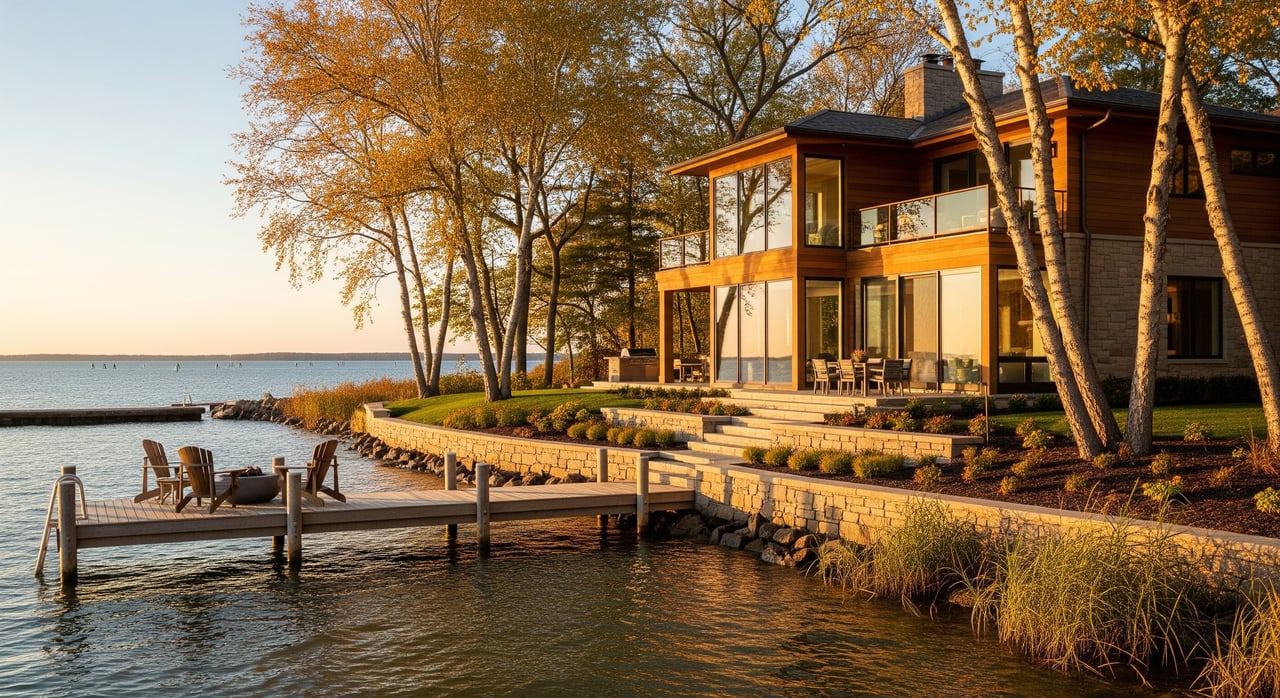
Green Bay and the Fox River offer waterfront access, trails, and scenic views. Family-friendly stops include Bay Beach Wildlife Sanctuary, Green Bay Botanical Garden, and the Cofrin Arboretum. On weekends, explore community festivals, farmers’ markets, and local galleries.
Sports are part of the city’s identity. Home games at Lambeau Field and activity around the Titletown area drive energy and foot traffic. If you live nearby, learn event schedules and plan shopping and travel times around game days.
Cultural venues like the Meyer Theatre and the Neville Public Museum add to the arts scene. Dining ranges from local restaurants and breweries downtown to everyday options in suburban centers. You’ll have what you need for daily life within a short drive.
Ready to talk neighborhoods, budget, and timing with a local who will put your goals first? Reach out to Ingrid Landry for clear guidance, local market insight, and responsive, step-by-step support.
With Landry Real Estate Team by your side, you can trust that your real estate journey will be guided with care, expertise, and a genuine commitment to your happiness and success.